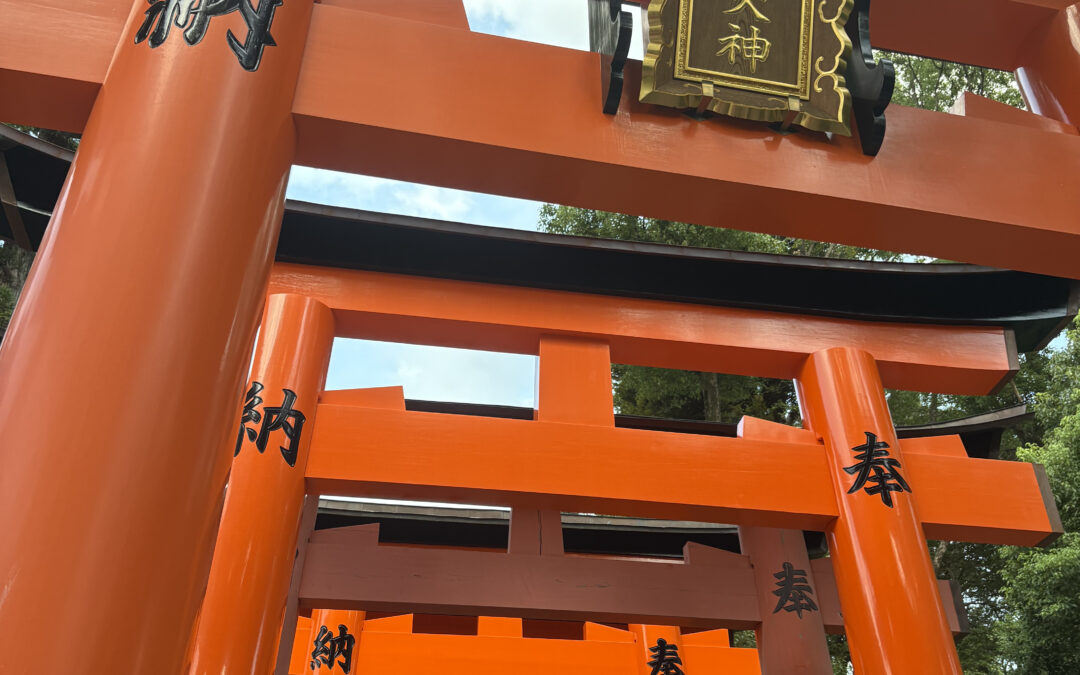
I’m currently in Kyoto, doing an internship with a social organization, and living here has completely shifted how I think about balance, stress, and mental health. As someone fascinated by psychology, Japan feels like a real-life case study in how small habits shape the mind.
What surprised me most is that mindfulness here isn’t trendy or performative; it’s quietly built into everyday life.
One idea I’ve seen everywhere is Kaizen: improving a little every day. Psychologically, this works because small steps don’t overwhelm the brain. You’re more likely to stay motivated when progress feels manageable. The same applies to Ikigai, having a sense of purpose, not something huge, just a reason to show up each day.
Movement here is also refreshingly low-pressure. People walk constantly, stretch briefly, and stay active without calling it “exercise.” From a mental-health perspective, this removes guilt and perfectionism. Movement becomes normal, not something you have to force.
Another thing I’ve noticed is how much order and routine matter. Clean spaces, taking shoes off indoors, and shared responsibility for public areas create a sense of calm. Psychology shows that external order reduces mental overload, and I can honestly feel that effect here.
Socially, there’s a strong emphasis on respect, punctuality, and harmony. It lowers daily friction and stress. Add consistent sleep routines and things like evening baths, and you get a culture that actively supports nervous-system regulation.
My key takeaways so far:
-
Eat less, walk more
-
Add fermented foods
-
Keep spaces simple and clean
-
Improve a little every day
-
Live with purpose
Living in Japan has shown me that balance doesn’t come from big life changes, but from small, intentional habits repeated daily. And psychologically, that might be the most powerful approach of all.